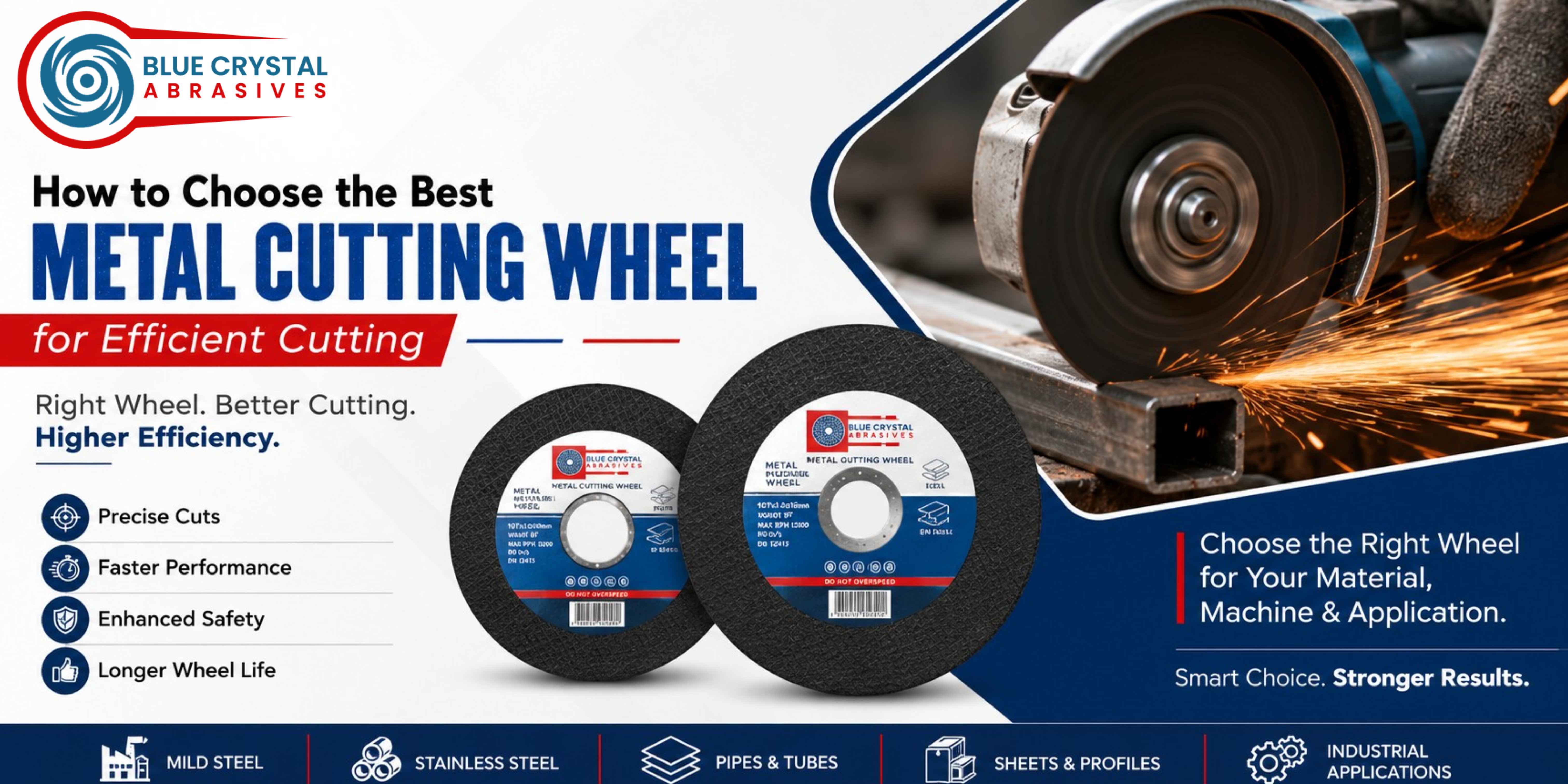
Choosing the right Metal Cutting Wheel is essential for achieving clean cuts, faster work, longer wheel life, and improved safety. Whether you work with mild steel, stainless steel, sheet metal, pipes, rods, or fabrication materials, the right cutting wheel can significantly improve productivity. However, with so many sizes, thicknesses, abrasive materials, and specifications available, selecting the correct wheel can sometimes be confusing.
A suitable Cutting Wheel Manufacturer India can help businesses choose wheels designed for their specific applications, materials, and equipment. This guide explains the most important factors to consider when choosing a metal cutting wheel for efficient industrial and fabrication work.
A cutting wheel is not a one-size-fits-all product. Different metals require different abrasive compositions, thicknesses, reinforcement levels, and wheel specifications. Using the wrong wheel may result in slow cutting, excessive material waste, overheating, poor finish, or premature wheel wear.
The correct wheel should offer a balance between:
Selecting the right specification from the beginning can help reduce downtime and improve the quality of every cut.
The first step in choosing a cutting wheel is understanding the material being processed.
Mild steel is commonly used in construction, fabrication, engineering, and manufacturing. A general-purpose abrasive wheel designed for ferrous metals can provide effective cutting performance.
Stainless steel requires special consideration because it can generate heat during cutting. A wheel designed specifically for stainless steel can help achieve cleaner cuts while reducing the risk of contamination and excessive heat buildup.
Carbon steel applications often require a strong and durable wheel capable of handling repeated cutting operations in workshops and industrial environments.
The shape and thickness of the material also affect wheel selection. Thin sheets may benefit from thinner wheels, while thick sections may require a stronger specification designed for heavy-duty applications.
Always match the wheel specification with the material being cut for consistent performance.
Cutting wheels are available in several diameters to suit different machines and applications. Common sizes include 4-inch, 4.5-inch, 7-inch, 12-inch, and larger industrial wheels.
For handheld angle grinders, compact sizes are often preferred because they offer better control and accessibility. Larger wheels are generally used with specialized machines and equipment designed for heavier cutting operations.
When selecting a wheel, make sure the diameter is compatible with the grinder or cutting machine. Never use a wheel that exceeds the maximum permitted speed or size of the equipment.
Thickness plays an important role in cutting speed and precision.
Thin wheels generally produce narrower cuts and remove less material. This can result in:
A Thin Metal Cutting Disc can be particularly useful for sheet metal, small profiles, pipes, and precision fabrication applications.
Thicker wheels may provide greater durability for certain heavy-duty operations. They can be suitable when the application requires additional strength and extended working life.
However, thicker does not always mean better. The correct thickness depends on the material, equipment, cutting method, and required finish.
For applications where speed and precision are important, an Ultra Thin Cutting Disc can be an excellent option. These wheels are designed to make narrow cuts while reducing the amount of material removed during the process.
Ultra-thin wheels can offer advantages such as:
For precision work, an Ultra Thin Cut Off Wheel may be especially useful in fabrication shops, automotive repair, engineering, and metalworking applications.
A 1mm Cutting Wheel is designed for applications where a narrow and precise cut is required. Its thin profile allows the abrasive edge to pass through the material with less resistance.
These wheels are commonly considered for:
However, users should always check whether the wheel specification is suitable for the intended material and machine. A thin wheel should never be forced, twisted, or used for applications beyond its intended purpose.
Stainless steel requires a cutting wheel designed for the specific characteristics of the material. Stainless steel can generate significant heat and may require a wheel that provides smooth cutting performance with reduced risk of surface contamination.
A Thin Cutting Wheel for Stainless Steel can be suitable for applications requiring precise cuts in stainless steel sheets, tubes, pipes, and profiles.
For heavier or general stainless steel cutting applications, a dedicated Stainless Steel Cutting Wheel may provide better performance and consistency.
The right wheel can help reduce:
The performance of a cutting wheel depends significantly on the abrasive grain and bonding system.
The abrasive grains perform the actual cutting action, while the bond holds the grains together. As the wheel works, worn grains break away and expose fresh cutting edges.
Important factors include:
High-quality abrasive grains can provide efficient cutting and consistent performance.
The bond must be strong enough to hold the abrasive grains together while allowing controlled release during operation.
The structure influences how aggressively the wheel cuts and how effectively it handles heat and material resistance.
An Ultra Thin Abrasive Cutting Wheel should be manufactured with carefully controlled materials and reinforcement to maintain performance during high-speed applications.
Reinforcement is an important part of cutting wheel construction. Reinforcing layers help improve the structural integrity of the wheel during operation.
Before purchasing a wheel, check:
The wheel should always be used according to the manufacturer's instructions. Operators should also use suitable personal protective equipment, including eye and face protection, gloves, and appropriate workwear.
The cutting wheel must be compatible with the machine being used.
For angle grinders, check:
The maximum RPM marked on the wheel should never be lower than the operating speed of the machine.
Using an incompatible wheel can reduce performance and create serious safety risks.
One of the main reasons many industries choose thinner cutting wheels is to improve cutting efficiency.
A thinner wheel generally creates a narrower kerf, which means less material is removed during cutting. This can be particularly beneficial when working with expensive metals or when a high volume of cuts is required.
The benefits may include:
However, wheel thickness should always be selected according to the application rather than simply choosing the thinnest option available.
The quality and consistency of a cutting wheel depend heavily on the manufacturer. A reliable manufacturer should have strong control over raw materials, abrasive formulation, reinforcement, bonding, testing, and production quality.
When selecting an Ultra Thin Cutting Wheel Manufacturer, consider:
A dependable supplier can also help you select the right wheel for different materials and industrial requirements.
Businesses searching for an Ultra Thin Cutting Wheel Manufacturer India should evaluate not only the price but also the product's consistency, safety, performance, and suitability for the intended application.
Different applications require different specifications.
Choose a durable wheel designed for ferrous metals and suitable for the machine being used.
A thinner wheel can provide better precision and reduce material wastage.
Choose a dedicated stainless steel specification to achieve smoother cutting performance and reduce the risk of contamination.
Focus on consistent performance, wheel life, cutting speed, and overall cost per cut.
A thin or ultra-thin wheel may be preferable when narrow cuts and clean edges are important.
Even a high-quality cutting wheel may perform poorly if used incorrectly.
The cheapest wheel may not provide the best value. Consider cost per cut, wheel life, cutting speed, and productivity.
A wheel designed for one material may not be suitable for another.
Always ensure the wheel's maximum speed rating is compatible with the machine.
Allow the wheel to perform the cutting action. Excessive force can increase heat and accelerate wear.
Cutting wheels are designed for cutting, not side grinding. Side pressure can damage the wheel and create safety risks.
Never use wheels that are cracked, chipped, or visibly damaged.
To achieve efficient cutting performance:
Correct selection combined with proper usage can significantly improve productivity and wheel performance.
For businesses that require a consistent supply of abrasive products, working with a reliable Cutting Wheel Manufacturer India can provide several advantages. Established manufacturers can offer a wide range of wheel sizes and specifications for different industries, including fabrication, construction, automotive, engineering, infrastructure, and general metalworking.
A reliable manufacturer can also provide:
For buyers, choosing the right manufacturer is just as important as choosing the right wheel.
Choosing the right cutting wheel is essential for achieving efficient, precise, and safe metal cutting results. Factors such as material type, wheel diameter, thickness, abrasive composition, reinforcement, machine compatibility, and manufacturer quality should all be considered before making a purchase. For precision applications, thin and ultra-thin wheels can help reduce material wastage and improve cutting speed, while specialized options are available for stainless steel and other challenging materials.
By choosing products from a dependable Metal Cutting Wheel supplier and partnering with an experienced Cutting Wheel Manufacturer India, businesses can improve productivity, maintain consistent cutting quality, and select the right abrasive solution for their specific industrial requirements.
The best wheel depends on the material, machine, thickness, and application. A high-quality wheel designed specifically for the material being cut generally provides the best performance.
A thinner wheel can provide faster cutting, narrow kerfs, and less material wastage. However, the correct thickness should always be selected based on the application and material.
A 1mm wheel is generally used for precision cutting applications involving thin metal, sheets, tubes, and smaller sections where a narrow cut is preferred.
A dedicated stainless steel cutting wheel is generally recommended for stainless steel applications because it is designed to provide suitable cutting performance for the material.
No. Standard cutting wheels are designed for cutting and should not be used for side grinding. Use the correct grinding wheel for grinding operations.
Choose a wheel diameter and bore size compatible with your machine. The wheel's maximum operating speed must also be equal to or higher than the machine's operating speed.
Look for consistent quality, manufacturing expertise, proper testing, reliable supply, suitable product specifications, and strong quality control processes.
Using the correct thin wheel for the application can help create a narrower cut and reduce unnecessary material removal. Proper cutting technique also plays an important role.