Cutting stainless steel requires the right equipment and a suitable abrasive wheel. Stainless steel is known for its strength, durability and resistance to corrosion. These qualities make it useful in many industries but they also make the material more difficult to cut than ordinary metal.
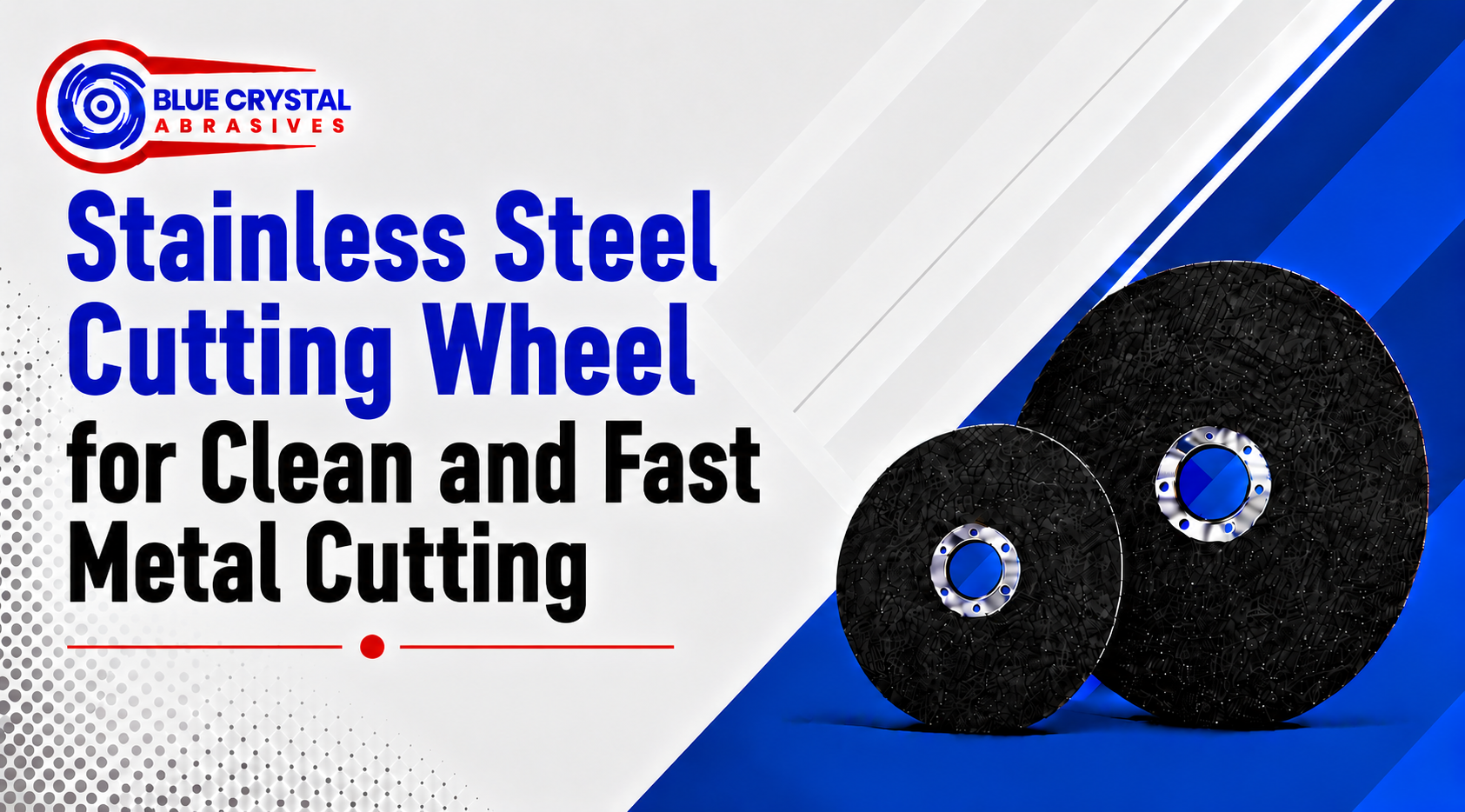
A good Stainless Steel Cutting Wheel is designed to cut stainless steel with better speed and control. It can help create a clean cutting line while reducing unnecessary heat and material loss. For workshops, fabrication units and industrial users, choosing the correct wheel can improve both the quality of the cut and overall productivity.
The performance of a cutting wheel depends on its abrasive grains, bond quality, thickness, reinforcement and manufacturing process. Understanding these factors can help users select a product that matches their working requirements.
Stainless steel behaves differently from mild steel during cutting. It can generate significant heat when it comes into contact with a fast-moving abrasive wheel. If the operator applies too much pressure or uses an unsuitable wheel, the cutting area may become overheated.
Excessive heat can affect the appearance and finish of the material. It may also make cutting slower and put additional load on the machine. For this reason, it is important to use a wheel made for stainless steel applications.
A suitable Stainless Steel Cutting Wheel removes material efficiently without requiring excessive force. It should cut smoothly and maintain steady performance during normal operation. The wheel must also be compatible with the machine’s size and maximum operating speed.
There is no single cutting wheel that is suitable for every application. The correct choice depends on the type of stainless steel, thickness of the workpiece, machine specifications and expected cutting result.
Wheel diameter is one of the first factors to consider. Small wheels are commonly used with handheld angle grinders while larger wheels may be suitable for industrial cutting machines.
A 4 Inch Cutting Wheel is often used for workshop jobs and light fabrication work. Its compact size makes it easier to handle in narrow spaces. It can be used for cutting stainless steel sheets, small pipes, tubes and profiles when the wheel specification matches the application.
Wheel thickness is another important factor. A thinner wheel usually creates a narrower cutting line and removes less material. A thicker wheel may provide a different level of stability depending on the job and machine.
Before using any wheel, operators should read the product label and confirm that it is suitable for stainless steel.
An Ultra Thin Cutting Wheel is designed for applications where fast cutting and a narrow kerf are important. Kerf refers to the width of material removed during the cutting process.
A narrow cutting line can help reduce material waste. It can also make the cutting process faster because the wheel needs to remove less material. This is useful when working with expensive stainless steel components or when several cuts need to be completed.
Thin wheels may offer benefits such as:
A professional Thin Cutting Wheel Manufacturer carefully selects the abrasive grain, bonding material and reinforcement. These elements must work together to provide the required cutting performance.
Thin wheels should be handled carefully. The user must avoid side pressure, bending or twisting during operation because cutting wheels are intended for straight cuts.
Many abrasive cutting discs are produced using resin bonding technology. A Resin Bonded Cutting Wheel contains abrasive grains held together by a resin-based bonding system. Reinforcing material may also be added to support the wheel structure.
The abrasive grains perform the actual cutting. As the wheel moves against the workpiece, these grains remove small amounts of material and create the cut. The resin bond keeps the grains in place until they have completed their useful cutting action.
An experienced Resin Bonded Cutting Wheel Manufacturer controls the wheel formulation according to the intended material and application. The type of abrasive, bond strength, wheel thickness and reinforcement can influence cutting speed and wheel life.
For stainless steel cutting, the formulation should support smooth cutting while limiting unnecessary heat generation. Product consistency is also important for industrial users who need similar performance from one batch to another.
Cutting wheels rotate at high speeds. Reinforcement is therefore an important part of their design. Reinforcing layers help support the wheel structure during normal cutting operations.
Double Net Cutting Wheels use two reinforcing net layers. This construction may be selected for applications that require additional structural support. However, the complete wheel specification should always be checked instead of choosing a product only because it has double reinforcement.
The number of reinforcing layers is only one part of wheel design. Abrasive quality, resin formulation, manufacturing control and correct curing also affect performance.
Operators should never modify a cutting wheel or use it for a purpose not mentioned by the manufacturer. A damaged, wet or incorrectly stored wheel should not be fitted to the machine.
A general Metal Cutting Wheel may be suitable for several types of metal. However, users should confirm whether the product is recommended for stainless steel before using it.
Stainless steel applications often require wheels with a suitable chemical composition. An unsuitable wheel may contaminate the stainless steel surface or affect the final finish. This can be a concern when the finished component needs to maintain its appearance and corrosion-resistant properties.
The product marking or technical information should clearly mention the materials for which the wheel is intended. If the application is unclear, the buyer should discuss it with the manufacturer or supplier.
The quality of a cutting wheel is influenced by the raw materials and manufacturing process. A dependable Abrasive Wheel Manufacturer follows controlled production procedures to maintain wheel dimensions, balance, strength and cutting performance.
Quality checks may include inspection of raw materials, verification of wheel size, speed testing and batch evaluation. These checks help manufacturers identify production issues before products reach customers.
Working with an established Abrasive Cutting Wheel Manufacturer can be useful for distributors and industrial buyers who need a regular supply. It also makes it easier to discuss technical requirements and select the right product for a specific metal.
An Industrial Cutting Wheel Manufacturer may produce several wheel sizes and grades for fabrication, engineering, automotive and general metalworking applications. Buyers should provide clear information about their machines and workpieces before selecting a wheel.
Some businesses want to sell abrasive products under their own brand. Others may require a particular wheel size, product specification or packaging style. An OEM Cutting Wheel Manufacturer can develop products based on such requirements when the requested specification and order quantity are practical.
OEM buyers should discuss several details with the manufacturer:
Testing product samples before placing a large order can help buyers understand how the wheel performs in the intended application. It also provides an opportunity to confirm packaging and labelling details.
India supplies abrasive products to both domestic and international markets. Buyers searching for a Cutting Wheel Exporter India should consider more than the product price.
Consistent quality, secure packaging, clear product information and reliable supply are important for export orders. Buyers should also check whether the manufacturer can provide the documentation required for their destination market.
A dependable exporter should understand how abrasive wheels need to be packed for transportation. Proper packaging helps protect the wheels from moisture and physical damage during handling.
Correct wheel selection is important but proper operation is equally necessary. Users should follow the machine manual and wheel manufacturer’s safety instructions.
The following practices can support better results:
Abrasive wheels should not be dropped or stored in damp conditions. Correct handling can protect the wheel and support consistent performance.
A reliable Stainless Steel Cutting Wheel can make metal cutting faster, cleaner and easier to control. The right wheel depends on the material thickness, machine type, required cutting speed and desired finish.
A 4 Inch Cutting Wheel may be suitable for compact workshop jobs while an Ultra Thin Cutting Wheel can help produce narrow and precise cuts. Resin bonding and proper reinforcement also contribute to the wheel’s performance.
Businesses buying abrasive products regularly should work with a capable Resin Bonded Cutting Wheel Manufacturer, OEM Cutting Wheel Manufacturer or Cut Off Wheel Manufacturer India. A reliable supplier can help buyers select the correct specifications and maintain consistent product quality.
Blue Crystal Abrasives provides cutting wheel solutions for stainless steel and other metalworking applications. The focus is on helping workshops, distributors and industrial buyers find abrasive products that suit their machines and regular cutting requirements.